- by foxnews
- 05 Aug 2026
Toxic, bone-crushing fish from Hell terrorizes vacation waters
The silver-cheeked toadfish carries deadly tetrodotoxin and has bone-crushing jaws that can sever fingers, prompting Greek authorities to install barriers.
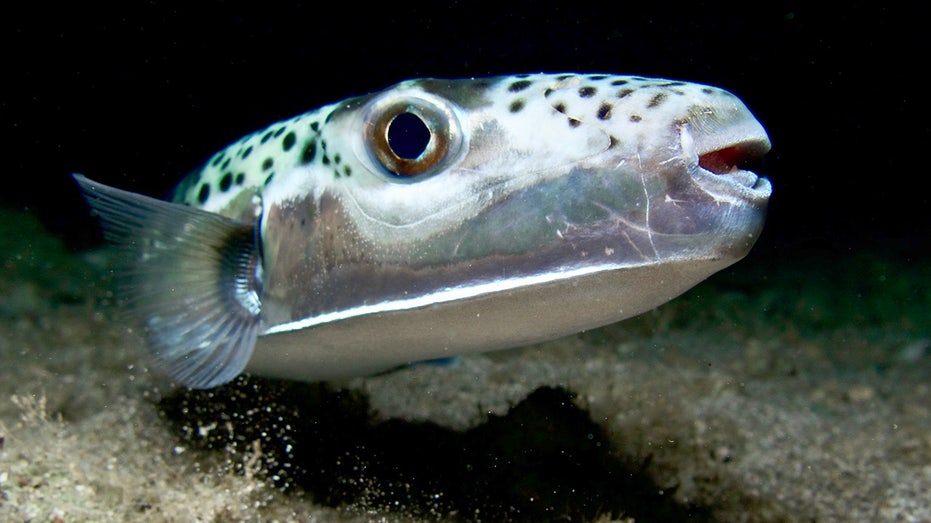
Some places are even taking precautions to protect swimmers and bathers from the invasive silver-cheeked toadfish, also called harefish.
The fish reportedly entered the Mediterranean through the Suez Canal and has spread as sea temperatures have warmed. It carries tetrodotoxin, a deadly neurotoxin found primarily in its flesh and internal organs, and its powerful beak-like jaws can shred fishing gear and bite through bone.
Experts note, however, that the fish does not routinely attack people. Bites tend to occur when people try to catch, handle or otherwise interact with them.
"The number of recorded incidents greatly increased after 2019, especially with regard to poisonings, yet whether this is related to greater media attention, or to increased fish abundance is unclear," the researchers wrote in their study.
"Because the distribution of the toxin varies, no part of the fish is considered safe to eat," the Red Cross warned. "Although the harefish's bite is not venomous, its extremely powerful, beak-like jaws can cause serious injuries and heavy bleeding."
Tetrodotoxin causes paralysis and respiratory failure. Cardiac effects can occur in the event of severe poisoning.
"Our duty and primary concern has to be the safety of our citizens," Antonis Spanos, the vice-mayor of Evia's capital, Chalkida, told the publication. "It's better to be safe than sorry.
"Two and a half kilometers of this net will be set up in bays around the gulf to allow for a carefree summer," he added. "Last year it was bad with the jellyfish, but, as you say in English, we've killed two birds with one stone. Now if there are puffers, we'll be ready for them too."
Other municipalities along the Gulf of Euboea are also installing or planning to install floating barriers and protective nets to help keep swimmers safe, according to reports.
The silver-cheeked toadfish has few natural predators in the Mediterranean, so its population to grow rapidly. The Greek government announced it would pay fishermen 5.33 euros per kilogram, equivalent to about $2.75 per pound, to catch the nuisance fish.
Not all pufferfish are poisonous, but the vast majority contain a lethal neurotoxin called tetrodotoxin in their internal organs and skin. Toxicity levels vary significantly by species, and farm-raised pufferfish that never eat toxin-containing prey in the wild remain non-toxic.
you may also like

- by foxnews
- 05 Aug 2026
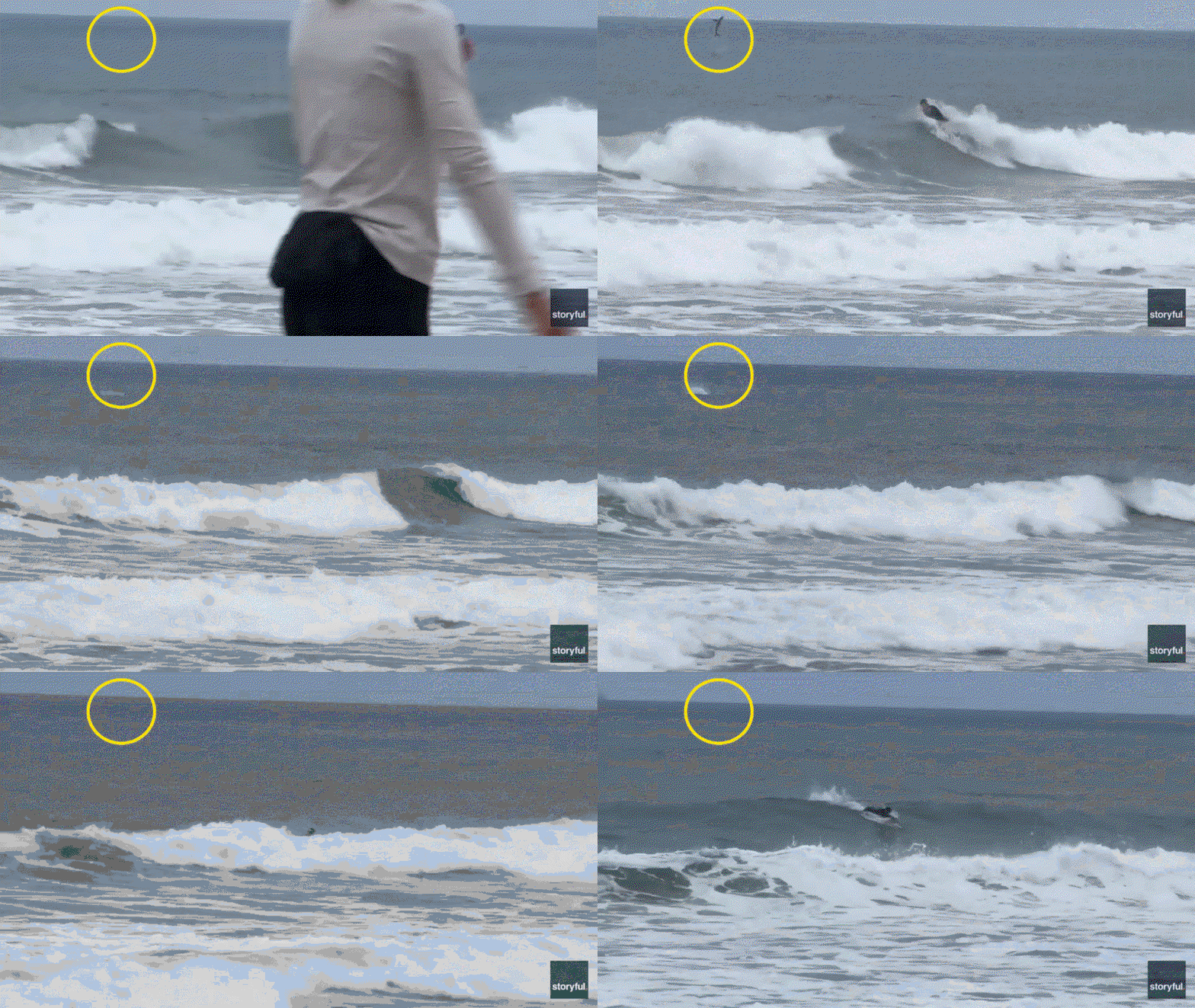
Shark Week shocker as great white breaches just yards from oblivious boogie boarder

- by foxnews
- 05 Aug 2026
Lost sermons from one of Christianity's greatest saints discovered after 1,600 years


travel
- by foxnews
- descember 09, 2016
Thousands swarm stunning mountain escape as selfie tourism backlash erupts online
Photos are showing massive shuttle lines at Tre Cime di Lavaredo in Italy as selfie tourism overwhelms one of the Dolomites' most iconic destinations for travelers.
read more