- by foxnews
- 01 Apr 2026
US Guantánamo Plan Risks Meltdown in Travel Industry, New Update You Need to Know
The Guantánamo transfer plan is no longer just a policy proposal—it’s a global alarm shaking the core of international travel. As the U.S. immigration crackdown intensifies, a new wave of fear now grips the travel industry. Airport operations face mounting uncertainty. Tourism flow is slowing under the weight of confusion and controversy. International travel relations are rapidly fraying. Meanwhile, the U.S. Guantánamo plan risks a full-blown meltdown in the travel industry. Tensions are rising. Questions are multiplying. The world is watching every move. Will airlines reroute flights? Could this trigger visa retaliation from key allies? The update you need to know is urgent, emotional, and deeply disruptive. As detention operations ramp up at a site synonymous with fear, the fallout could spread far beyond borders. This isn’t just policy—it’s a powder keg. Stay with us as we unravel the hidden implications behind this dramatic shift. What happens next could reshape global travel.
- by travelandtourworld
- 12 Jun 2025
- in travel
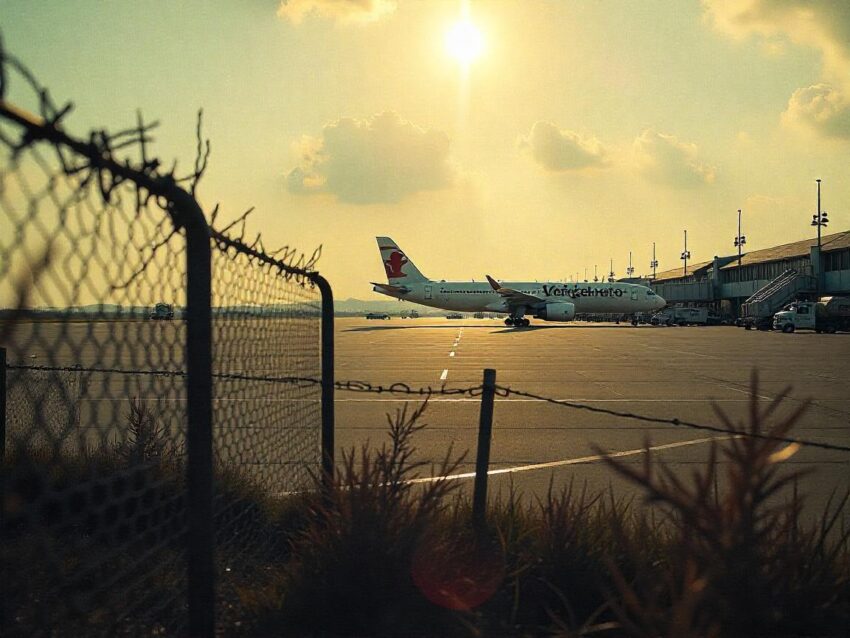
In a stunning escalation of US immigration enforcement, the Trump administration is preparing to transfer thousands of undocumented foreigners from domestic facilities to the U.S. military base at Guantánamo Bay, Cuba. This dramatic policy move could destabilize global travel networks, provoke tensions with close allies, and push already stressed airports and detention logistics into uncharted territory.
A Tourism System on Edge
Moreover, travelers from nations flagged in this action may face sudden scrutiny or anxiety, leading to a drop in transatlantic bookings, strained bilateral visa agreements, and growing hesitation around U.S.-bound travel.
Airport Congestion and Airline Coordination Under Threat
The strain isn’t just diplomatic. On the ground, U.S. airports are already grappling with high summer volumes, unpredictable weather, and lingering staffing shortages. Now, the logistics of airlifting thousands of detainees from crowded domestic facilities to Guantánamo presents a formidable operational hurdle.
For travel stakeholders, this redirection of airspace and resources introduces another layer of unpredictability in an already volatile ecosystem.
Guantánamo’s History Returns With New Consequences
Guantánamo Bay was once the symbol of America’s aggressive counterterrorism policy. Now, the return of large-scale transfers to this facility reactivates memories that were politically and emotionally charged across the globe. For the travel industry, optics matter. Perception can sway destination interest, hotel occupancy, and airline route viability.
By choosing this facility for immigration enforcement, the U.S. risks alienating tourism partners. Countries with citizens slated for transfer are unlikely to stay silent. Many of these are strategic allies and contributors to inbound tourism, code-share airline partnerships, and transnational hotel investments.
Impacts on Regional Travel Diplomacy
Travelers from affected countries may soon face longer customs screening, restricted entry channels, or even retributive policy changes. Travel agents, tour operators, and airport authorities must prepare for a potential spike in cancellations or confusion at transit hubs.
The Overcrowding Crisis That Triggered the Move
At its core, the Guantánamo move is born from crisis. The Trump administration cites overcrowding in U.S. detention centers as justification. But that reasoning reveals another fracture: the government’s limited capacity to manage growing migrant flows with humanitarian oversight.
A Global Tourism Backlash in the Making
Future Travel Partnerships at Risk
The timing couldn’t be worse. As airlines and travel brands work to rebuild international trust and open new corridors post-COVID, this policy risks derailing momentum. Airline partners that rely on bilateral landing rights, visa-free travel arrangements, or diplomatic air bridges may face turbulence if their home governments push back.
Silence from Key Officials Fuels Travel Uncertainty
Adding to the confusion, neither the Department of Homeland Security nor the White House has provided clear public answers. The lack of transparency raises questions for international aviation compliance authorities, port security officials, and border control agencies.
What Comes Next: Urgent Watchpoints for the Travel Sector
For the travel industry, staying informed is no longer enough. Agencies, operators, and global tourism authorities must now develop response frameworks to adapt quickly to politically motivated disruptions.
Key watchpoints include:
Conclusion: A Pivotal Moment for Travel Freedom
Unless tempered by diplomacy and foresight, this strategy risks breaking the fragile web of partnerships that supports international tourism, airline collaboration, and traveler trust. The clock is ticking. Travel leaders must act now to understand the impact and protect the future of free, safe, and equitable movement across borders.
Source: Washington Post
you may also like


- by foxnews
- 01 Apr 2026
First of its kind wagon evidence uncovered in massive Iron Age treasure trove
- by foxnews
- 01 Apr 2026
Traveler hands out vodka shots in massive TSA line amid US airport lines and delays


travel
- by foxnews
- descember 09, 2016
Sharks in Bahamas found to have cocaine and other drugs in their systems, study says
A new study found cocaine, caffeine and painkillers in 28 Bahamas sharks, with researchers saying tourists may be the likely source of the contamination.
read more