- by foxnews
- 18 Sep 2026
Archaeologists uncover mysterious face hidden for centuries in Book of Revelation city
A 7.2-foot marble statue from the Book of Revelation city of Sardis was found face-down by excavators, its rare Lydian features preserved for 2,500 years.
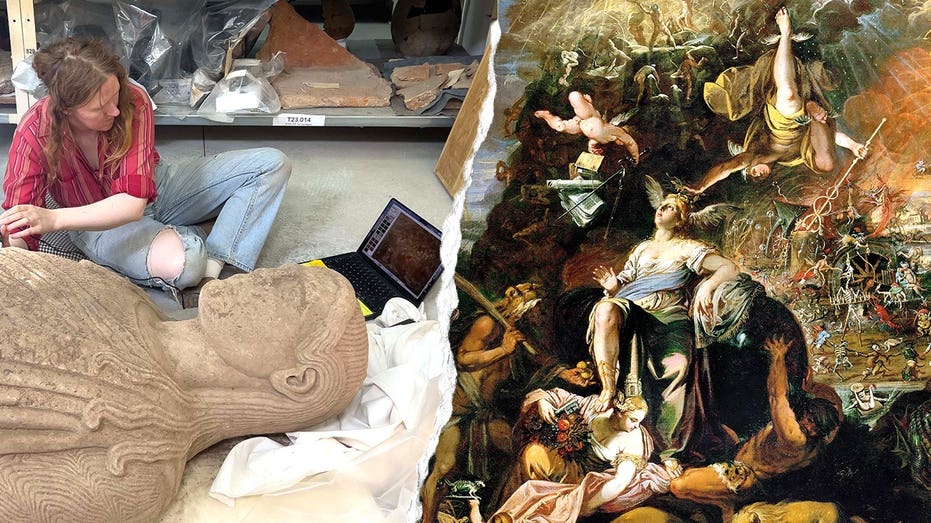
The discovery, which dates to the fifth century B.C., was announced by the Turkish Ministry of Culture and Tourism earlier in August. Sardis is located in the Salihli district of Manisa, about 45 miles east of the major Turkish city of İzmir.
The statue depicts a young man and measures around 7.2 feet tall.
In a translated social media post, Culture and Tourism Minister Mehmet Nuri Ersoy described the find as an "extraordinary discovery."
He noted that the statue was repurposed as paving along a colonnaded street during the Roman period and was positioned face-down, helping protect its features for centuries.
"The unusual details of its clothing bear traces of Lydian culture," said Ersoy.
"This type of clothing is not seen on comparable statues from Anatolia and Greece, highlighting the work's local characteristics and its connection to Lydian culture."
Revelation 3:1-6 begins, "To the angel of the church in Sardis write..."
The other churches included Ephesus, Pergamum, Thyatira, Smyrna, Philadelphia and Laodicea.
Ancient marble statues were often painted, and researchers plan to examine the Sardis statue for any surviving traces of pigment.
The artifact is covered in a thick layer of hardened deposits, which conservators will remove with care while protecting any remaining paint.
Specialists will also examine the surrounding soil for traces of color.
you may also like
- by foxnews
- 18 Sep 2026
US warns Americans to stay vigilant as terror risk looms at major vacation hot spot

- by foxnews
- 18 Sep 2026
Dolly Parton could soon have major airport named in her honor after unanimous vote


travel
- by foxnews
- descember 09, 2016
Lost city where Jesus performed miracles has finally been identified, expert says
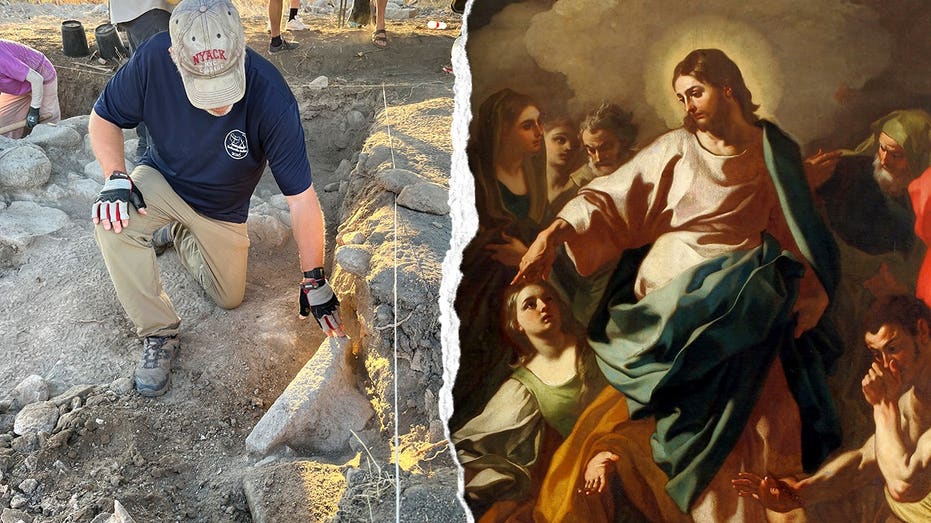
Bethsaida, the home of Apostle Peter and the setting of Jesus Christ's miracles, may finally be identified after a decade of archaeology work at El-Araj.
read more