- by foxnews
- 09 Sep 2026
US rebuilding weapons stockpile could delay orders from allies
Patriot missile stockpiles have dropped to 36% of pre-Iran war levels as allies face delayed deliveries and U.S. rebuilds its defense inventory.
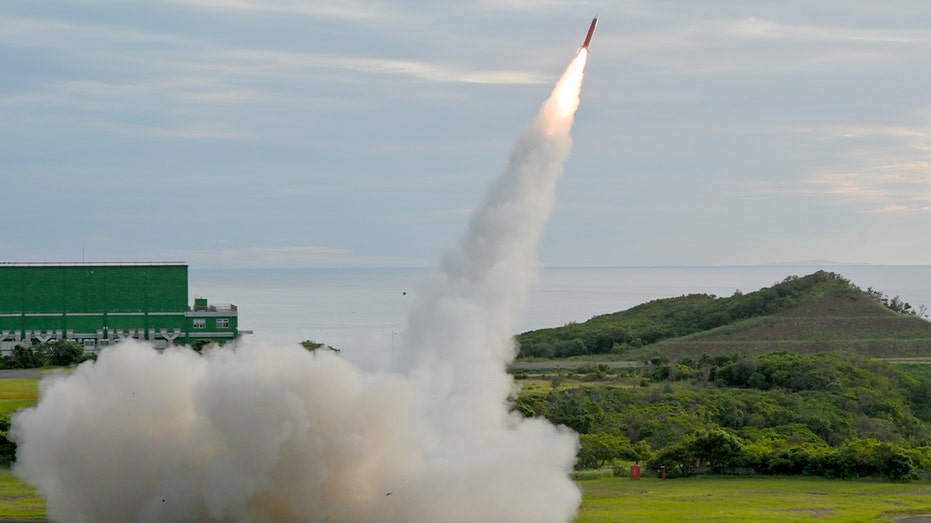
The U.S. has for years been the top weapons supplier in the world. Over the past five years, arms exports have gone to nearly 100 countries.
Between 2021 and 2025, Ukraine was the largest recipient of major arms around the world, with at least 36 countries supplying weapons. The U.S. was the top supplier over the five-year time period, accounting for 41% of Ukrainian arms imports.
Publicly available government reports show at least four countries, including the U.S., have provided full Patriot missile systems to Ukraine. The U.S. is the only country that manufactures the Patriot battery, and one of two countries, along with Japan, to publicly show it produces Patriot missiles.
"If we take all of the Patriots for ourselves, and of course, that's 600 a year, we can refill the inventory much more quickly, but we have frozen out our allies and partners," Cancian said.
Patriot producer Raytheon says, "Patriot is the foundation of integrated air and missile defense for 19 nations." But as the U.S. prioritizes rebuilding its weapons inventory, deliveries for some countries are already delayed.
"Unfortunately, the world we live in is an increasing threat, and that means that we need a bigger military force, and we need a stronger defense industrial base to be able to equip the warfighter and supply all that we need to win the fight," Duffey said.
"With Tomahawk, we have the same situation with the Japanese. They bought 400. They're told they're being pushed back in the queue. On the other hand, they're facing China. They've reconfigured one of their ships to take the Tomahawks. So, there's again going to be a diplomatic discussion there," Cancian said.
Just the U.S., the UAE and Saudi Arabia have THAAD systems. Their first confirmed use was in 2022 after a UAE system intercepted missiles launched by Iran-backed Houthi rebels in Yemen. No official delays have been reported for THAAD orders, but the U.S. has 52%-62% of its inventory remaining and outstanding deliveries for Saudi Arabia, expected to be completed by April 2028.
The ground-launched Precision Strike Missile (PrSm), developed by Lockheed Martin, was first used in Operation Epic Fury. CSIS says just 10-22% of those weapons remain from pre-Iran conflict levels, following the ceasefire expenditures and revised estimates from the beginning of the conflict in late February.
"It's important to keep in mind that the level of intensity in those 14 days of renewed conflict were not as high as they were during the first 39 days of the air war," Cancian said about the July strikes after the ceasefire ended. "During the 14 days, the U.S. was launching maybe 80 to 100 strikes according to the Pentagon per day. During the 39 days of the major air war, we were launching about 350 strikes a day, plus Israel was launching another 200 to 250. So, the intensity wasn't quite as high, but we were still going through these munitions."
you may also like
- by foxnews
- 09 Sep 2026
Fox News Power Rankings: What's in an economy?
- by foxnews
- 09 Sep 2026
Mamdani to release documents on 9/11 health impacts before 25th anniversary




travel
- by foxnews
- descember 09, 2016
Divers uncover hundreds of ancient relics near shipwreck untouched for 2,100 years
Pictures show hundreds of intact amphorae scattered across the seabed near Mazara del Vallo, where a Roman shipwreck lay hidden for over 2,000 years.
read more