- by foxnews
- 01 Apr 2026
Wisconsin divers reveal mysterious underwater parking lot of ancient canoes preserved for millennia
Wisconsin Historical Society experts identified 16 dugout canoes in Lake Mendota, including the oldest recorded canoe from the Great Lakes region at 5,200 years old.
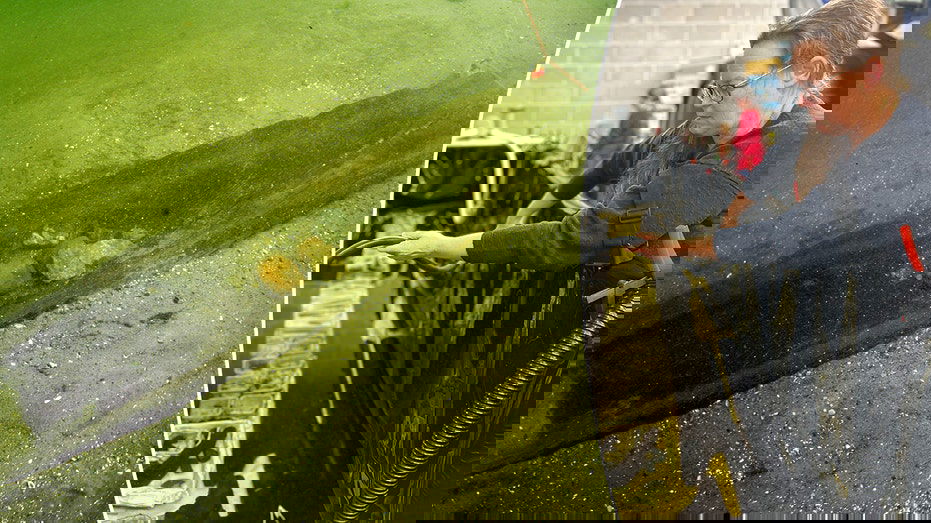
The Wisconsin Historical Society (WHS) announced this month that its experts have identified 14 canoes in Madison's Lake Mendota so far, six of which were found this spring. The WHS worked with the First Nations of Wisconsin during the research process, a release noted.
The WHS also recovered a 1,200-year-old dugout canoe in 2021 and retrieved another 3,000-year-old one in 2022.
"The landscape around Madison lakes looked very different before European settlers arrived in the area and conducted terraforming to suit modern transportation, with large bluffs that made traveling over the land difficult in some areas," the statement noted.
"Canoe travel may have been more efficient for certain routes for the communities who lived in the area spanning thousands of years before Wisconsin became a state," the statement also said.
"The canoes have all been found eroding from a bank underwater, in about 25 feet of water," said Thomsen. "They survived because they remained buried for so many millennia."
"Constructed of red oak, it is now the oldest dugout canoe recorded from the Great Lakes region and the third oldest in eastern North America."
The cache is rare in the Midwest, as such discoveries are more common in the Southeast.
Thomsen speculated that the builders may have intentionally selected trees that were damaged, or may have damaged them on purpose to impact their growth cycle.
"We think of bioengineering as a modern practice, but the samples we have suggest this may have been taking place long before the term was coined in the mid-20th century," she said.
Bill Quackenbush, a tribal historic preservation officer for the Ho-Chunk Nation, said the project "gives us a meaningful opportunity to gain a deeper perspective on our heritage and our ancestors."
He added, "It is important that we document and share these stories, so that our youth feel that connection to our past."
"Protecting and preserving this knowledge ensures that the next generation understands where we come from and why these stories matter. That is why we share them and continue this work."
you may also like
- by foxnews
- 01 Apr 2026
First of its kind wagon evidence uncovered in massive Iron Age treasure trove

- by foxnews
- 01 Apr 2026
Traveler hands out vodka shots in massive TSA line amid US airport lines and delays



travel
- by foxnews
- descember 09, 2016
Sharks in Bahamas found to have cocaine and other drugs in their systems, study says
A new study found cocaine, caffeine and painkillers in 28 Bahamas sharks, with researchers saying tourists may be the likely source of the contamination.
read more