- by foxnews
- 02 Apr 2026
New York Joins New Hampshire, Maine, Montana, Washington, and Vermont as Canadian Travel Freeze to US Takes Its Toll
New York, New Hampshire, Maine, Montana, Washington, and Vermont are facing economic strain due to the Canadian travel freeze on US, caused by political tensions and tariffs, with border crossings down by up to 30% and businesses losing up to $38,000. This decline in Canadian visitors is hitting local economies hard, particularly in border areas that rely on tourism. Businesses in these regions, from hotels to restaurants and ferry services, are seeing fewer Canadian customers, leading to reduced revenue, empty rooms, and layoffs. The travel freeze highlights the lasting effects of strained US-Canada relations, with cross-border tourism significantly impacted by diplomatic friction.
- by travelandtourworld
- 13 Dec 2025
- in travel
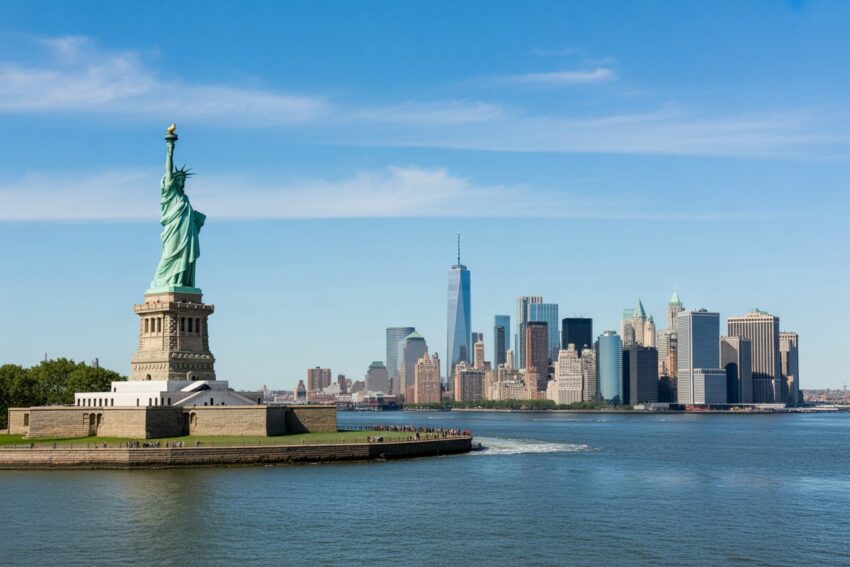
New York, New Hampshire, Maine, Montana, Washington, and Vermont are facing economic strain due to the Canadian travel freeze on US, caused by political tensions and tariffs, with border crossings down by up to 30% and businesses losing up to $38,000. This decline in Canadian visitors is hitting local economies hard, particularly in border areas that rely on tourism. Businesses in these regions, from hotels to restaurants and ferry services, are seeing fewer Canadian customers, leading to reduced revenue, empty rooms, and layoffs. The travel freeze highlights the lasting effects of strained US-Canada relations, with cross-border tourism significantly impacted by diplomatic friction.
According to a report by the US Congress’s Joint Economic Committee, the impact of the Canadian travel freeze is staggering. In 2024, Canadian tourism contributed $20.5 billion to the US economy, supporting over 140,000 American jobs. However, as tensions escalated under the Trump administration’s tariff policies and inflammatory rhetoric, the flow of Canadian tourists to the US began to dwindle, hitting border states the hardest.
New Hampshire has seen a similar trend. The state reported a 30% decrease in Canadian visitors, with reservations at state-run campgrounds dropping by 71% in the first five months of 2025. Some hotels in popular areas like North Conway, known for its proximity to the White Mountains, reported up to 30% of their rooms empty during weekends that would typically sell out.
Maine, a perennial favorite for Canadian tourists seeking coastal retreats, has also been severely impacted. Border crossings were down by approximately 25% in the first 10 months of 2025. Maine's iconic CAT Ferry service, which connects Bar Harbor with Nova Scotia, experienced a 20% dip in business. Local businesses, particularly those catering to Canadian travelers, have noticed a sharp decline in foot traffic, and some report worrying decreases in revenue.
In Montana, where Canadians accounted for nearly 80% of international visitors in 2024, the downturn is even more pronounced. The state reported a 19% drop in Canadian border crossings during the first 10 months of 2025. Some businesses saw a 25% drop in Canadian travel, while Canadian credit card spending fell by 44%. One hotel in Kalispell reported a $38,000 loss when a Canadian sports team canceled a large booking. These cancellations highlight the severe financial strain many businesses are experiencing due to the travel freeze.
Washington, which benefits from proximity to Canadian cities like Vancouver, saw a 24% decline in passenger vehicle crossings. Cities like Spokane experienced a 33% drop in visitors. Ridership on the Clipper Navigation ferry, which operates between Vancouver Island and Seattle, fell by 30%, prompting layoffs within the company.
The data paints a troubling picture for states dependent on Canadian tourism. In Vermont, some businesses have experienced declines in Canadian customers as high as 50%. This deepening downturn is creating long-lasting damage to cross-border relationships and the US economy at large.
Local economies are also feeling the pressure as fewer Canadians shop, dine, and stay in hotels. In New York, the North Country Chamber of Commerce reported that 83% of businesses in the region noticed a drop in Canadian customers, with 35% forced to cut staff. For many of these businesses, Canadian visitors were a crucial part of the customer base, particularly during the holiday season.
The issue isn't just economic; it’s also political and diplomatic. The Canadian travel freeze is seen as a direct response to the strained political climate between the two nations, particularly under the Trump administration. Tariffs on Canadian goods, rhetoric about annexing Canada, and disrupted trade talks have created an atmosphere of uncertainty and frustration. Many Canadians now view the US as less welcoming, and the growing sense of alienation is having tangible consequences for US businesses.
The decline in Canadian visitors is a wake-up call for US border states to reassess their reliance on Canadian tourism. For states like New York, New Hampshire, Maine, Montana, Washington, and Vermont, it may be time to diversify their tourism offerings and reach out to other international markets.
New York, New Hampshire, Maine, Montana, Washington, and Vermont are facing economic strain due to the Canadian travel freeze on the US, caused by political tensions and tariffs, with border crossings down by up to 30% and businesses losing up to $38,000.
you may also like

- by foxnews
- 02 Apr 2026
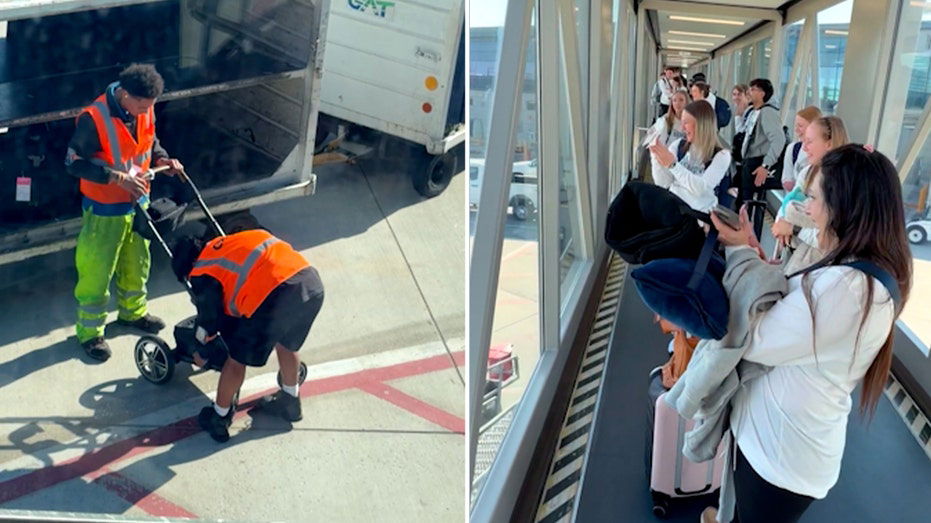
Stubborn stroller sparks chaotic airport showdown with baggage handlers in viral video
- by foxnews
- 01 Apr 2026
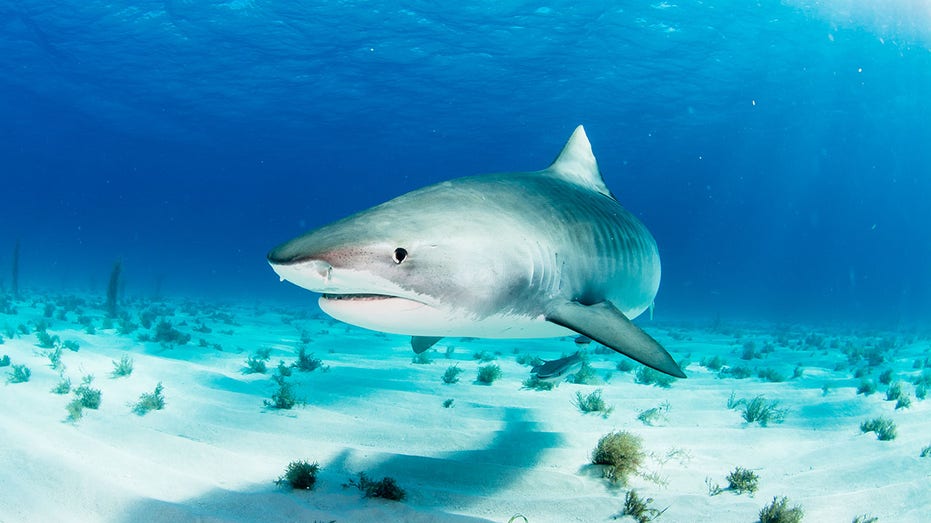
Sharks in Bahamas found to have cocaine and other drugs in their systems, study says


travel
- by foxnews
- descember 09, 2016
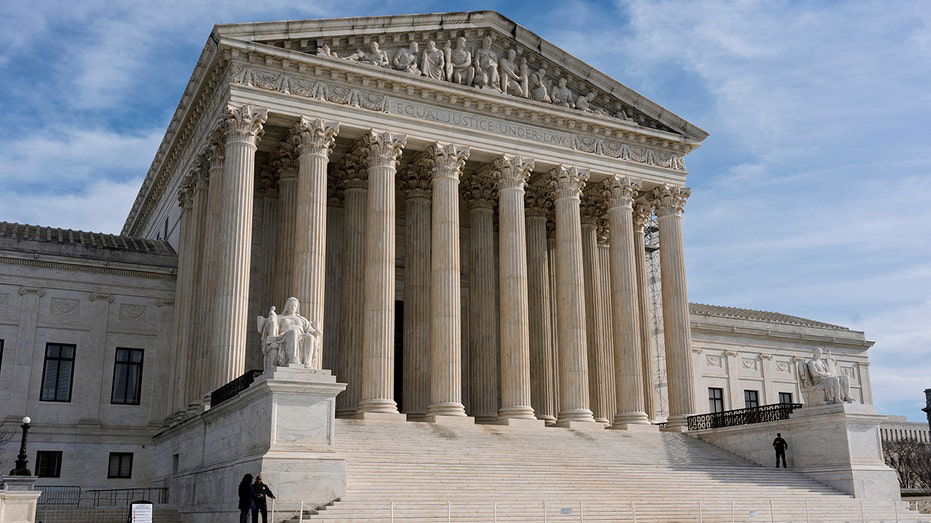
Birth tourism industry thrives in Miami as Supreme Court showdown gets underway
Birth tourism is a booming concierge industry as Trump's Executive Order 14160 on birthright citizenship faces a Supreme Court challenge in a major case.
read more