- by foxnews
- 01 Jun 2026
Hyundai to send 25,000 Atlas robots to the US
Hyundai reportedly plans to deploy over 25,000 Boston Dynamics Atlas humanoid robots across U.S. auto plants, starting at its Georgia facility in 2028.
- by foxnews
- 01 Jun 2026
- in technology
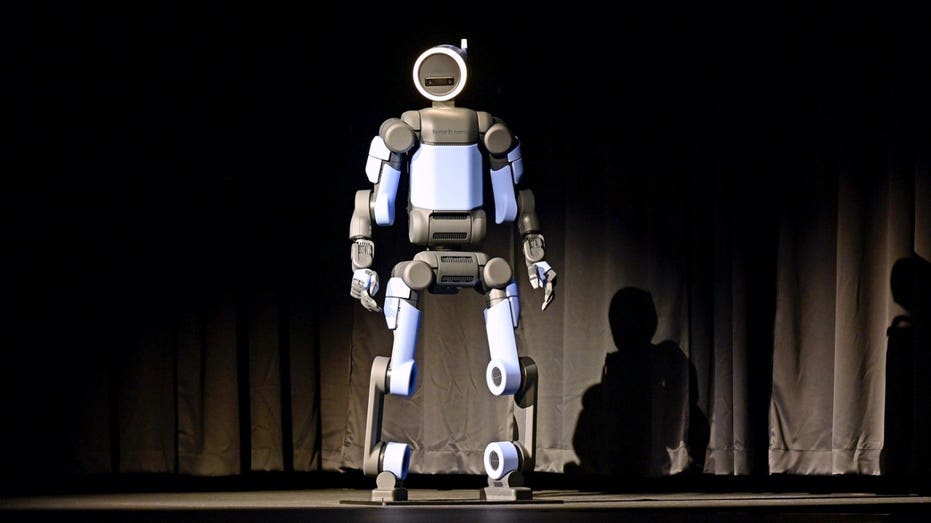
Here's what Hyundai is planning and why Atlas could become one of the most closely watched robots in American manufacturing.
Sign up for my FREE CyberGuy Report
Atlas could also help with physically demanding jobs. Lifting, carrying and moving awkward objects can wear down workers over time. If robots take on some of that work, factories could become safer. Still, this technology will need careful oversight. A humanoid robot working near people must move predictably and stop safely when something goes wrong.
Engineers changed the object's weight, floor friction, grip force and placement during training. That helped Atlas learn how to adapt when conditions changed. That is important because factory work rarely happens in perfect conditions. Parts shift. Floors vary. Workers move around. Loads can feel different from one moment to the next. Atlas needs to react in real time, not freeze when a task changes.
Atlas uses sensors and software to do something similar. It monitors balance, grip pressure, resistance and body movement as it works. Boston Dynamics says the new Atlas platform also helps reduce the gap between simulation and real-world movement. The robot uses a simplified hardware design, symmetrical limbs and only two actuator types.
Actuators are the robot's joints and muscles. Hyundai reportedly plans to make more than 300,000 actuator units each year at U.S. facilities. That shows Hyundai wants control over the parts that make humanoid robots move.
The rollout could create new roles in robotics maintenance, safety monitoring and factory software. It could also reduce the need for some physically demanding jobs over time. That trade-off will follow Hyundai's robot plan closely. The company will need to show that Atlas improves factory safety and productivity without pushing workers aside without support. For now, Hyundai has not provided enough public detail to answer those workforce questions fully.
This story may sound like it only affects autoworkers or car companies. But it could eventually touch anyone who buys a car. If humanoid robots help factories move faster, automakers may adjust production more quickly when demand changes. That could affect wait times for popular models.
Robot-assisted manufacturing could also influence vehicle costs. Automation can lower some production expenses, although savings do not always reach buyers right away. The bigger shift may be trust. Consumers may soon ask how much of their vehicle was built by humans and how much was handled by robots. That does not automatically make the car better or worse. But it does change the story behind how that car reached your driveway.
Would you feel better buying a car built with help from humanoid robots, or would you wonder who got pushed off the factory floor? Let us know by writing to us at Cyberguy.com.
Sign up for my FREE CyberGuy Report
Copyright 2026 CyberGuy.com. All rights reserved.
you may also like


- by foxnews
- 01 Jun 2026
Your health app may be failing you
- by foxnews
- 01 Jun 2026
Cab-less electric trucks hit Ohio roads




travel
- by foxnews
- descember 09, 2016
Treasure hunters find biggest Viking coin hoard in country's history: 'Without parallel'
Norway's largest Viking coin hoard features 2,970 silver coins minted in England and Germany, reflecting foreign influence on the late Viking economy.
read more