- by foxnews
- 04 Apr 2026
Atlanta's city-run grocery sees early success, sparking debate over government's role
Mayor Andre Dickens says Azalea Fresh Market has served over 20,000 customers in two months, proving strong demand for fresh food options in underserved neighborhoods.
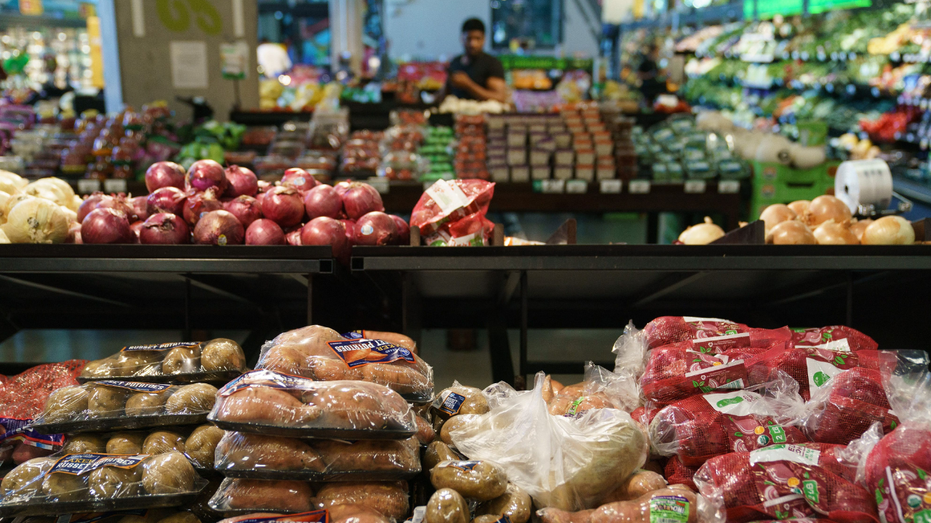
Whether Atlanta's city-run grocery store becomes a blueprint or a cautionary tale remains to be seen. But as cities nationwide grapple with rising food prices and shrinking access to affordable groceries, the project is testing how far local governments can go to fill the gap.
While city officials say that the focus on fresh and affordable food is especially critical in the neighborhood it serves, critics warn that government-subsidized stores could undercut private small grocers, distort food prices, harm consumer choice and ultimately weaken competition.
"Azalea Fresh Market is proof that when we work together as a city, we can deliver real solutions that change lives," Atlanta Mayor Andre Dickens told Fox News Digital. In less than two months, the store has served more than 20,000 customers, evidence, he says, of how strong the need was in a neighborhood "long underserved by grocers."
"In its first month, fresh produce made up 11.6% of total sales, exceeding the national average of 10% and highlighting a community demand for healthier food options," Dickens said.
"What started as an innovative idea to tackle food deserts is now a thriving grocery store serving hundreds of residents every day with healthy food options," he added.
The three-term assembly member says the city-run grocery stores will not only address rising food prices, but food deserts.
Mamdani, whose district includes the Queensbridge Houses, the largest public housing project in North America, says residents there have long-requested low-cost grocery options.
Beyond Wall Street, critics argue the economics don't add up, warning that government-run groceries could ultimately hurt the very communities they aim to help.
"Affordability and grocery costs are valid pressure points for Americans. It is absolutely true that prices are too high, but opening government-owned and operated grocery stores will have disastrous consequences for not only consumers but also for local competition," explained Nicole Huyer, a senior research associate at the Heritage Foundation's Thomas A. Roe Institute for Economic Policy Studies.
Huyer said taxpayers would ultimately shoulder the cost of artificially low prices, while small businesses would struggle to compete. She pointed to failed government-run stores in Erie, Kansas, and Baldwin, Florida, as cautionary examples.
For now, Atlanta's grocery experiment remains a test case, one watched closely by cities like New York and, more recently, Boston.
you may also like




travel
- by foxnews
- descember 09, 2016
Americans warned of potential attacks at vacation destination as border crossing exit fee doubles
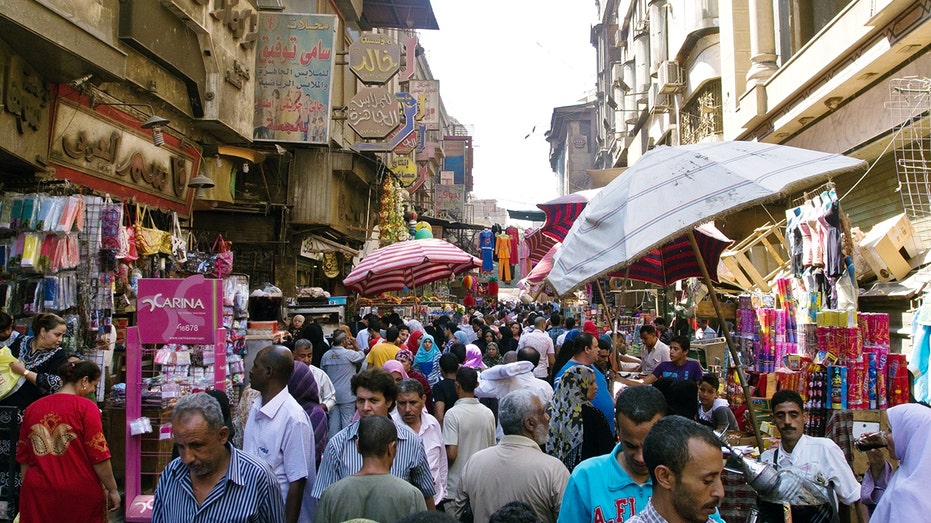
The U.S. Embassy Cairo issued a security alert for Americans in Egypt. The action follows regional military operations in Iran and rising border exit fees.
read more