
- by foxnews
- 20 May 2026
Stanford researchers develop 'game-changing' stroke treatment that doubles effectiveness
New milli-spinner technology from Stanford offers breakthrough in blood clot treatment by compressing clots to 5% of original size, revolutionizing stroke care.
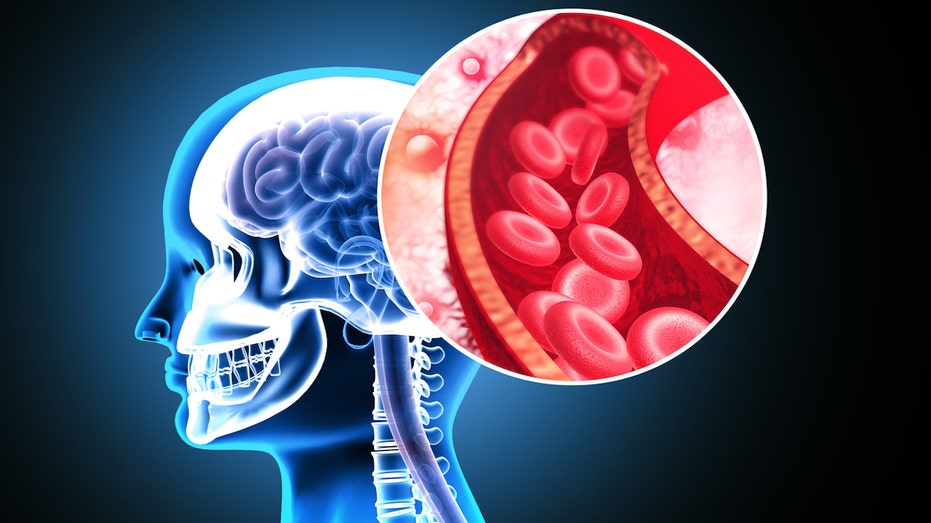
Blood clots are clumped together by thread-like proteins called fibrin. The milli-spinner - which is a long, hollow, rotating tube with a series of "fins and slits" - enters the body through a catheter and applies force and suction to the clot.
As a result, the blood clot is reduced in size - down to as little as 5% of its original volume - without breaking any of the fibrin threads.
That's important because breaking up the clot can result in pieces of it escaping and getting stuck in hard-to-reach places, the researchers noted.
With the milli-spinner, red blood cells are "freed" and the much smaller fibrin clot is removed from the body.
"What's unique about the milli-spinner is that it applies compression and shear forces to shrink the entire clot, dramatically reducing the volume without causing rupture."
With current technologies, clots are only removed about half the time on the first try, the release stated, and they fail completely about 15% of the time.
"For most cases, we're more than doubling the efficacy of current technology, and for the toughest clots - which we're only removing about 11% of the time with current devices - we're getting the artery open on the first try 90% of the time," said co-author Jeremy Heit, chief of neuroimaging and neurointervention at Stanford, in the release.
"This is a sea-change technology that will drastically improve our ability to help people."
The researchers' findings, which incorporated both animal studies and machine-based flow models, were published June 4 in the journal Nature.
The multi-spinner could potentially be used for other applications, such as capturing and removing kidney stone fragments, the release noted.
"What makes this technology truly exciting is its unique mechanism to actively reshape and compact clots, rather than just extracting them," Zhao said.
Fox News Digital reached out to the researchers and cardiologists for comment.
you may also like



travel
- by foxnews
- descember 09, 2016
Tourist takes forbidden plunge at iconic landmark as visitors watch, stunned
A tourist from New Zealand allegedly jumped into Rome's iconic Trevi Fountain, then began swimming - drawing widespread backlash and a reported fine of almost $600.
read more